
Our own land at Suphan Buri grows trees. The softscape layer under them — shrubs, ground cover shrubs, ground covers, ornamental grasses and climbers — comes through the growers we have worked with for years in the same Thai provinces, most of them specialists who grow two or three genera and nothing else. We put that material on your order rather than leave you to find a second supplier for it.
The difference that makes shows up at the port rather than at the nursery. Trees and understorey are brought together at the farm, checked against your schedule, loaded on the same programme and covered by one set of export documents. Split the same scheme between two suppliers in two countries and you carry two lead times, two inspections and two chances of paperwork that does not match what is in the container.
How this layer is supplied
- To order, not off a shelf. None of it is held as standing export stock the way our trees are. It is grown on or reserved against a confirmed schedule, which is why the list needs to reach us early rather than at the end of the programme.
- Sizes set the lead time. Send the schedule with sizes against each line. The programme is set by the largest and slowest item on the list, not by the average, and a single oversized hedge line can move the whole shipment.
- Medium and root treatment are agreed line by line. Restrictions on growing medium usually bite harder on potted shrubs and ground cover than on root-balled trees, so the import permit position for your destination is settled before the schedule is fixed, not after.
- Checked before it loads. Material is consolidated at the farm and checked against the schedule before it goes into the container. Inspection before loading is welcome, at your own cost.
- One supplier, one set of papers. Certificate of origin, phytosanitary certificate and treatment declaration cover the trees and the planting layer together.
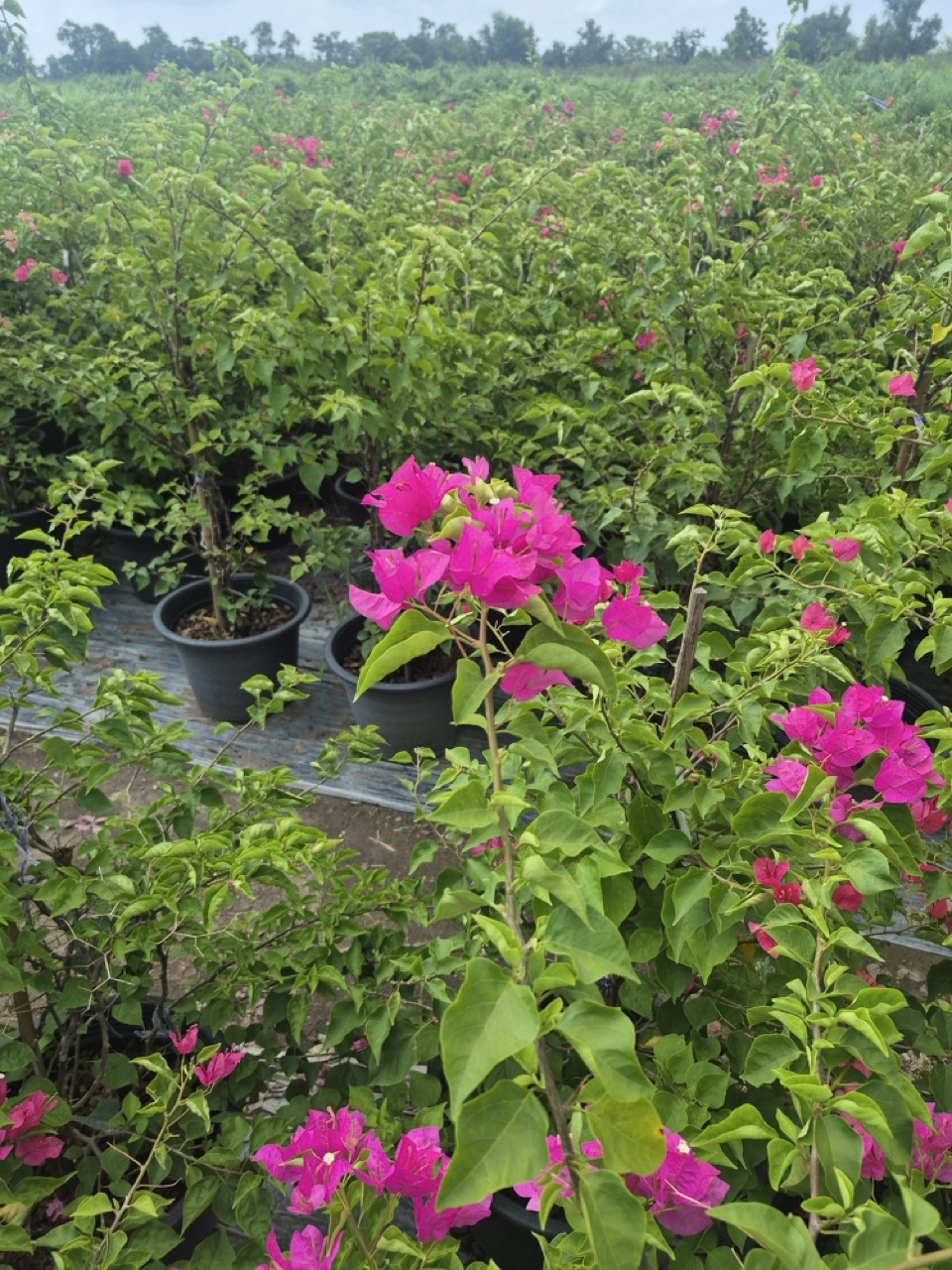
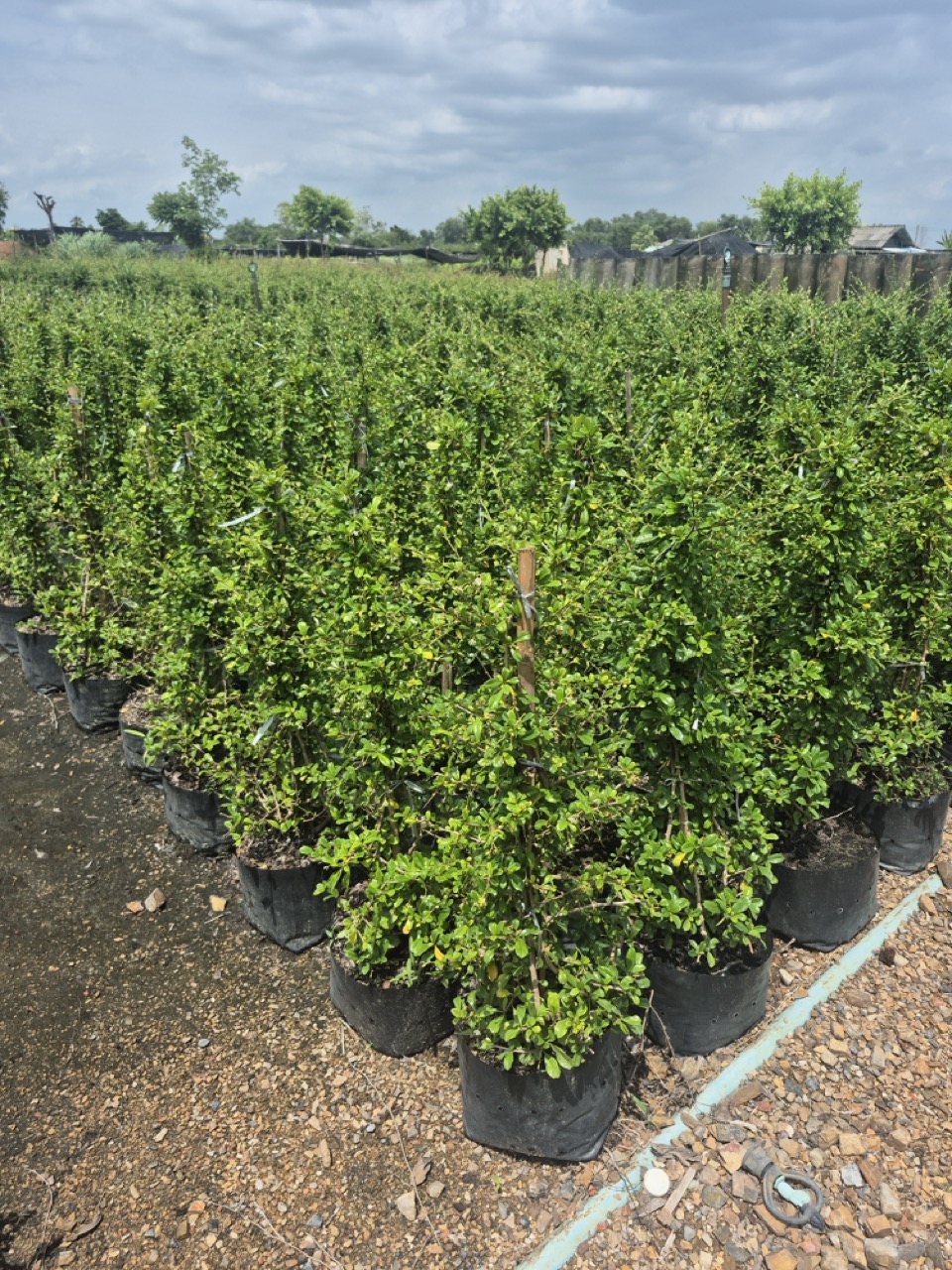
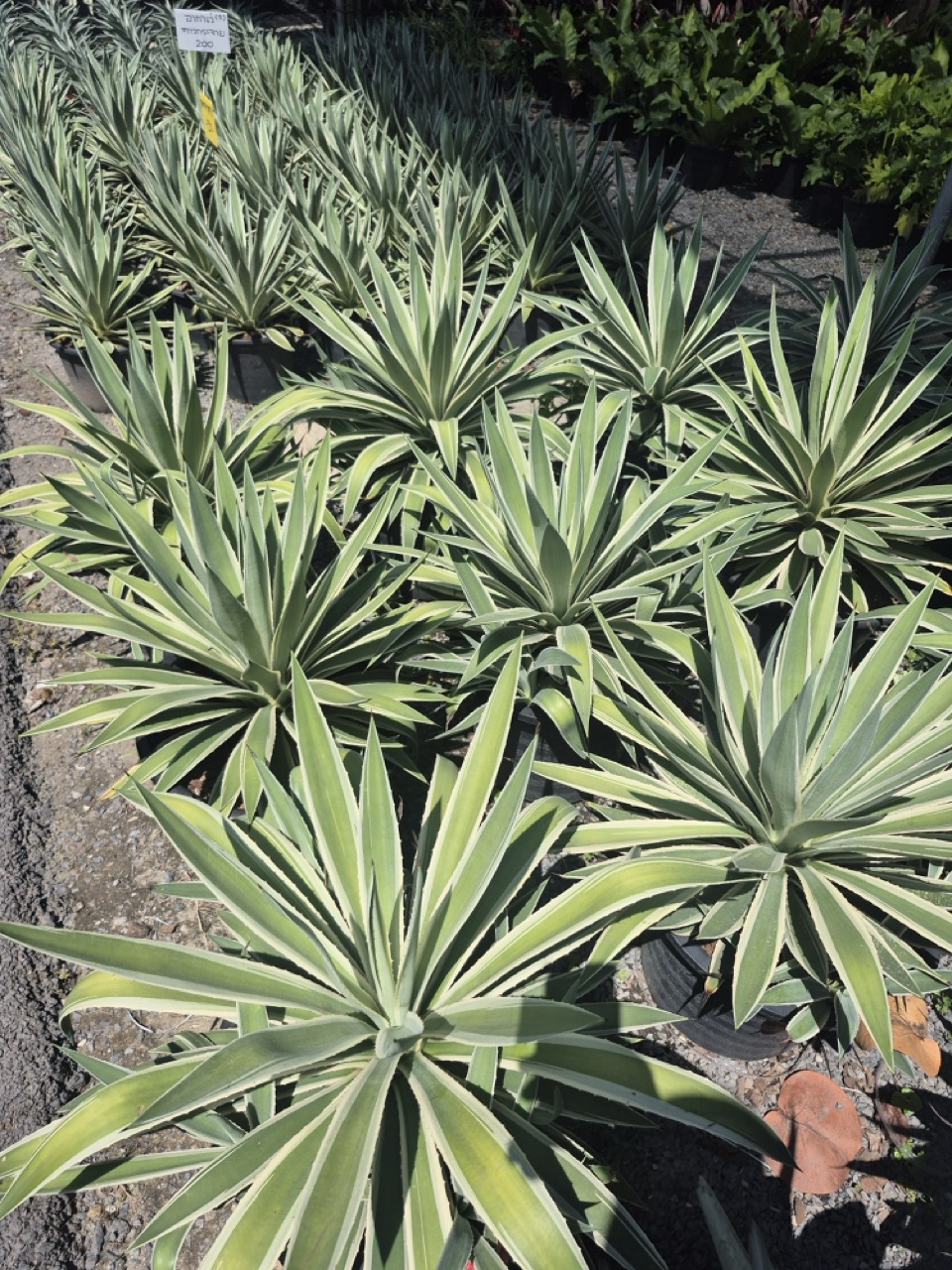
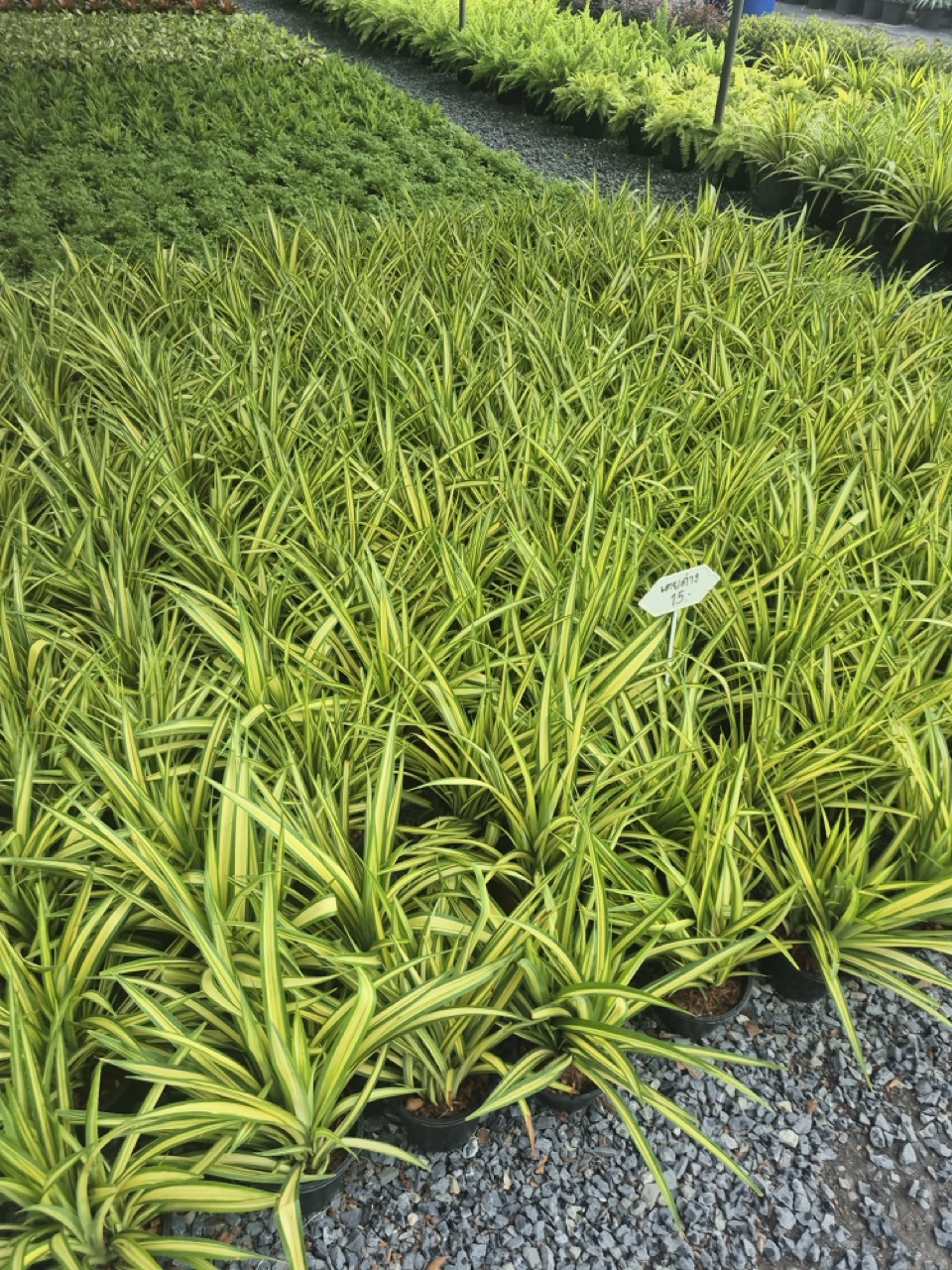
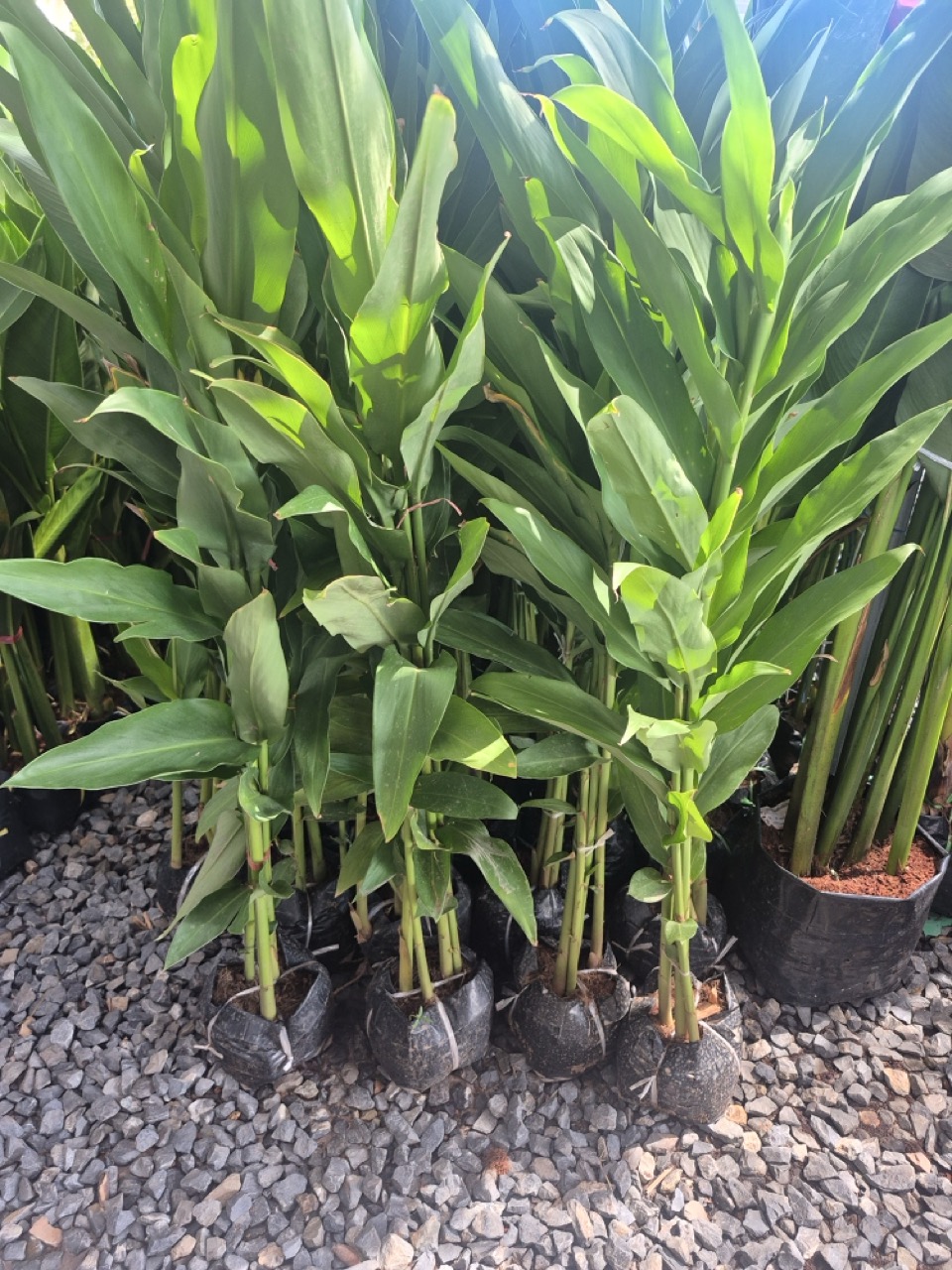
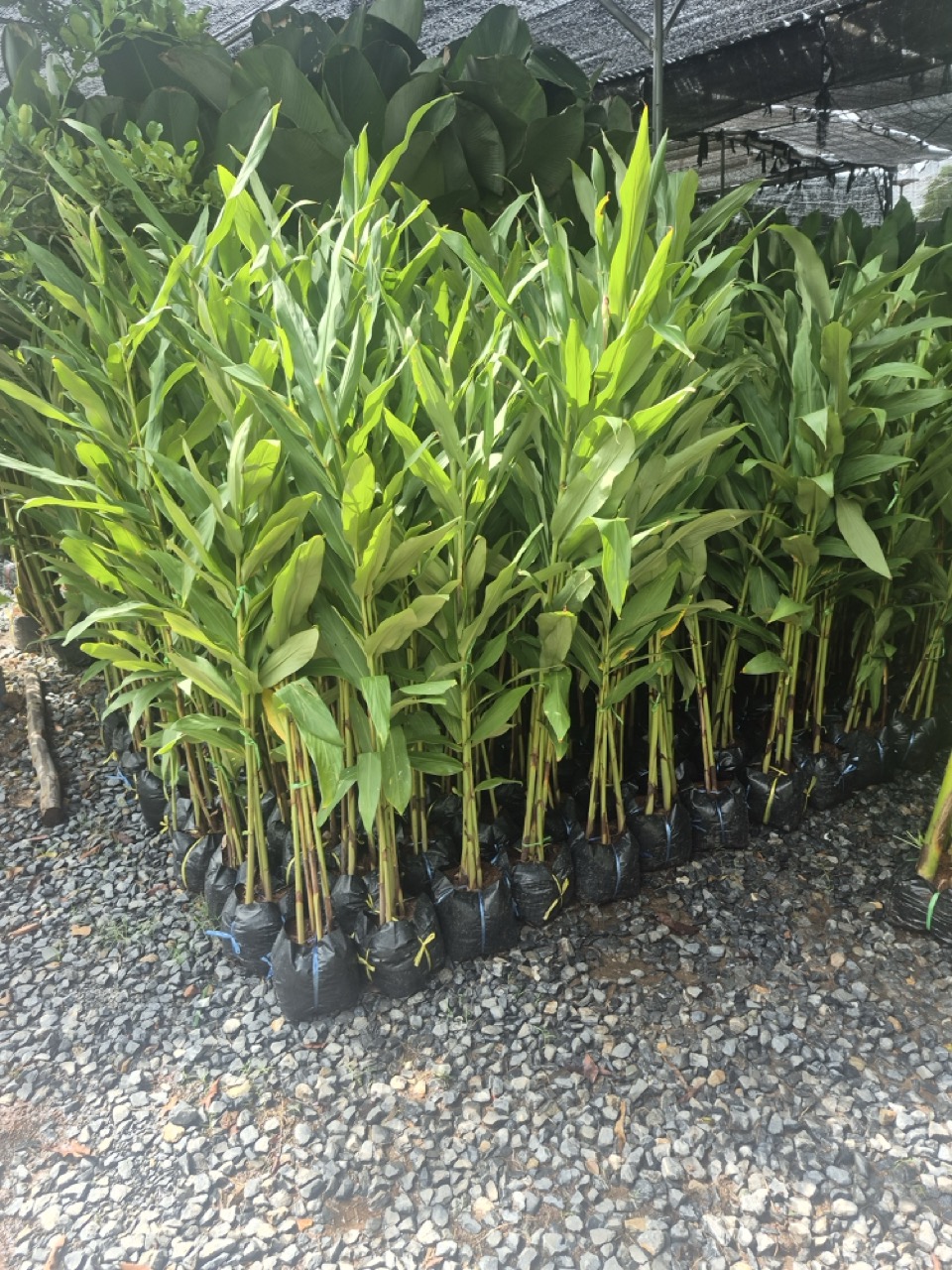
Stock in the growers’ fields and shade houses, Suphan Buri and the neighbouring provinces.
Shrubs, screening and accent planting
Upright material for hedging, screening, specimen positions and accent planting. On a schedule these normally come through as height and spread, or as a clipped hedge height where the line is a boundary.
- Bambusa ventricosa
- Bambusa vulgaris
- Bougainvillea glabra
- Bougainvillea spectabilis
- Caesalpinia gilliesii
- Callistemon viminalis
- Canna indica
- Clerodendrum inerme
- Coccoloba uvifera
- Crinum asiaticum
- Cyperus alternifolius
- Duranta erecta
- Hymenocallis latifolia
- Jatropha integerrima
- Lawsonia inermis
- Tabernaemontana divaricata
- Tecoma stans
- Thevetia peruviana
Ground cover shrubs
Low, spreading and cascading shrubs used massed rather than singly — bed fronts, slopes and embankments, traffic islands, podium and roof planting. On a schedule these usually come through as pot size and plants per square metre rather than as a height, so tell us the spacing you have designed to and the count follows from it.
- Catharanthus roseus
- Euphorbia milii
- Ixora coccinea
- Punica granatum ‘Nana’
- Ruellia ciliosa
- Russelia equisetiformis
- Scaevola taccada
- Vitex trifolia
Ground covers
- Asystasia gangetica ‘Variegata’
- Sesuvium portulacastrum
- Vitex rotundifolia
Ornamental grasses and lawn
- Ophiopogon japonicus
- Pennisetum setaceum
- Pennisetum setaceum ‘Rubrum’
- Pennisetum villosum
Climbers
For pergolas, trellis, boundary walls and green screens.
- Jacquemontia pentantha
- Jasminum officinale
- Quisqualis indica
- Trachelospermum jasminoides
Coastal and island schemes
On a beachfront or an island, exposure decides the palette before anything else does. Salt spray, wind and raw sand narrow the list sharply at the front line and open it again a few metres back, and a species that is right forty metres inland will burn off in its first season on the crest. Where a scheme sits on the coast, see plants for Maldives resort landscaping, which sorts this same material by exposure zone and sets out how island import works.
A guide to the palette, not a limit on it
These are the names that come up most often on the schedules we are asked to price, which is the only reason they are the ones written down. The network behind them is wider than the list. Most of what a scheme in this climate band specifies can be put together given reasonable notice, and the sensible way to find out is to send the schedule rather than to read a list and assume.
Dry-palette species are the one place to ask before assuming either way. Some we can supply; others are grown here only as a curiosity and would be asked to do something they were never raised to do. We will tell you which is which, and where the answer is no we would rather say so than sell you something that looks right on the drawing and fails in its first season.
Send the planting schedule as it stands, with sizes and the destination, and it comes back marked line by line: what we grow, what the network supplies, and what belongs with a grower closer to you. The tree catalogue covers the canopy; this page covers what goes under it. Send us your schedule.