
Deciduous trees
Seasonal leaf loss can change light, views and the character of an outdoor space. Check when the tree is leafless in the project climate, and allow for leaf litter and maintenance.
Landscape specification workspace
A visual tree selection workspace for landscape architects and designers. Compare tree canopy forms in plan and elevation for Gulf and Asia-Pacific projects. Shortlist candidates and record target grades and quantities in a project planting schedule. Site performance and current supply are checked separately.
01 / Define the project
Record what the planting needs to achieve. This brief travels with your exported schedule; it does not automatically score tree suitability.
Design guide / Four checks
Confirm soil, water, sun, wind, climate and maintenance conditions on the actual site.
Define the canopy silhouette, mature width, clear trunk and root space the design can accommodate.
Record the required height, caliper measurement datum, quantity and establishment details.
Check tree identity, local performance and supply before committing to a planting schedule.
The form choice records your design intent. The current database has form or size detail for only some trees, so this preview does not rank species by form or site suitability.
Design reference / Tree roles
Tree form shapes the experience of a place: light through the seasons, enclosure, vertical rhythm and shade. These five overlapping roles provide a shared language for developing a project planting palette.
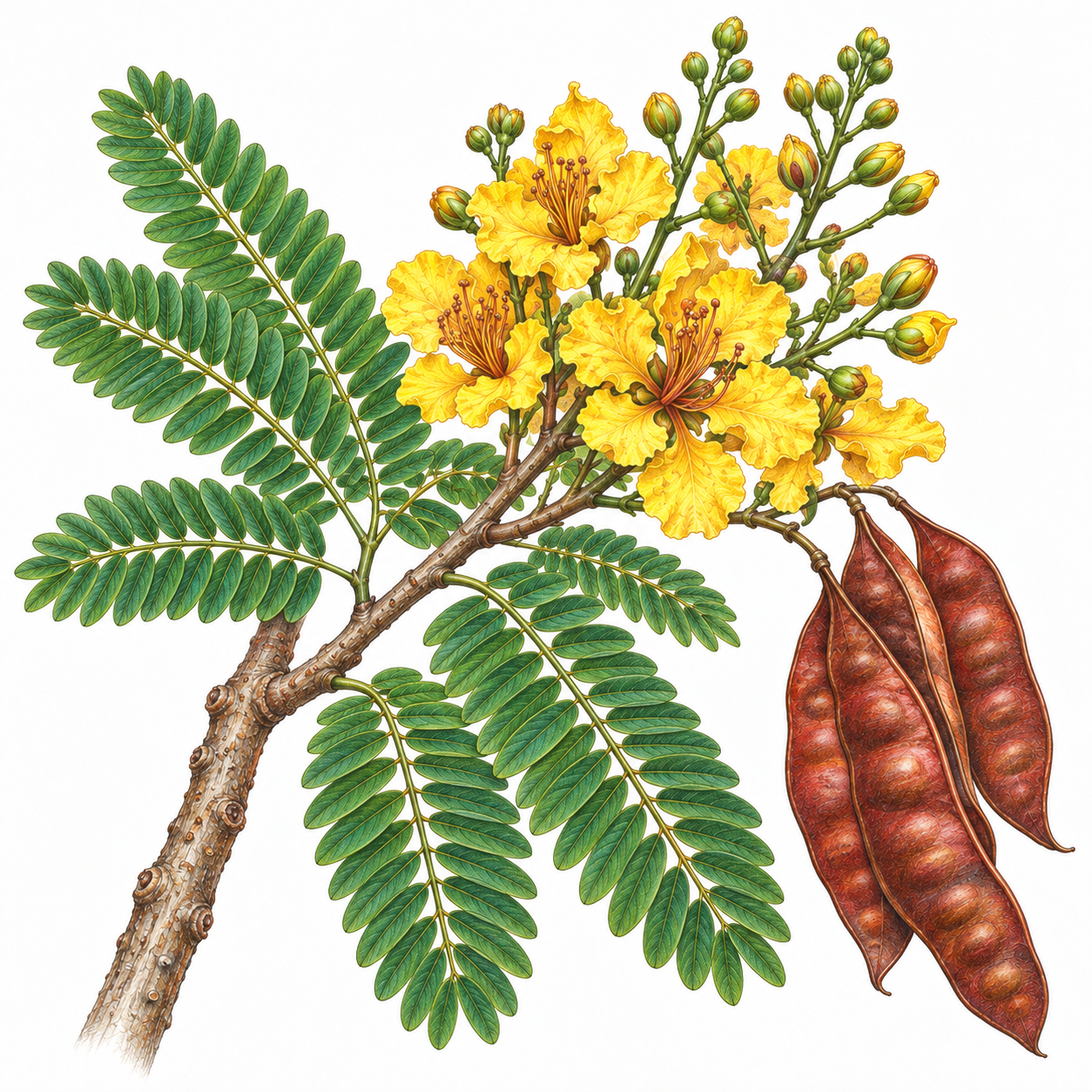
Seasonal leaf loss can change light, views and the character of an outdoor space. Check when the tree is leafless in the project climate, and allow for leaf litter and maintenance.
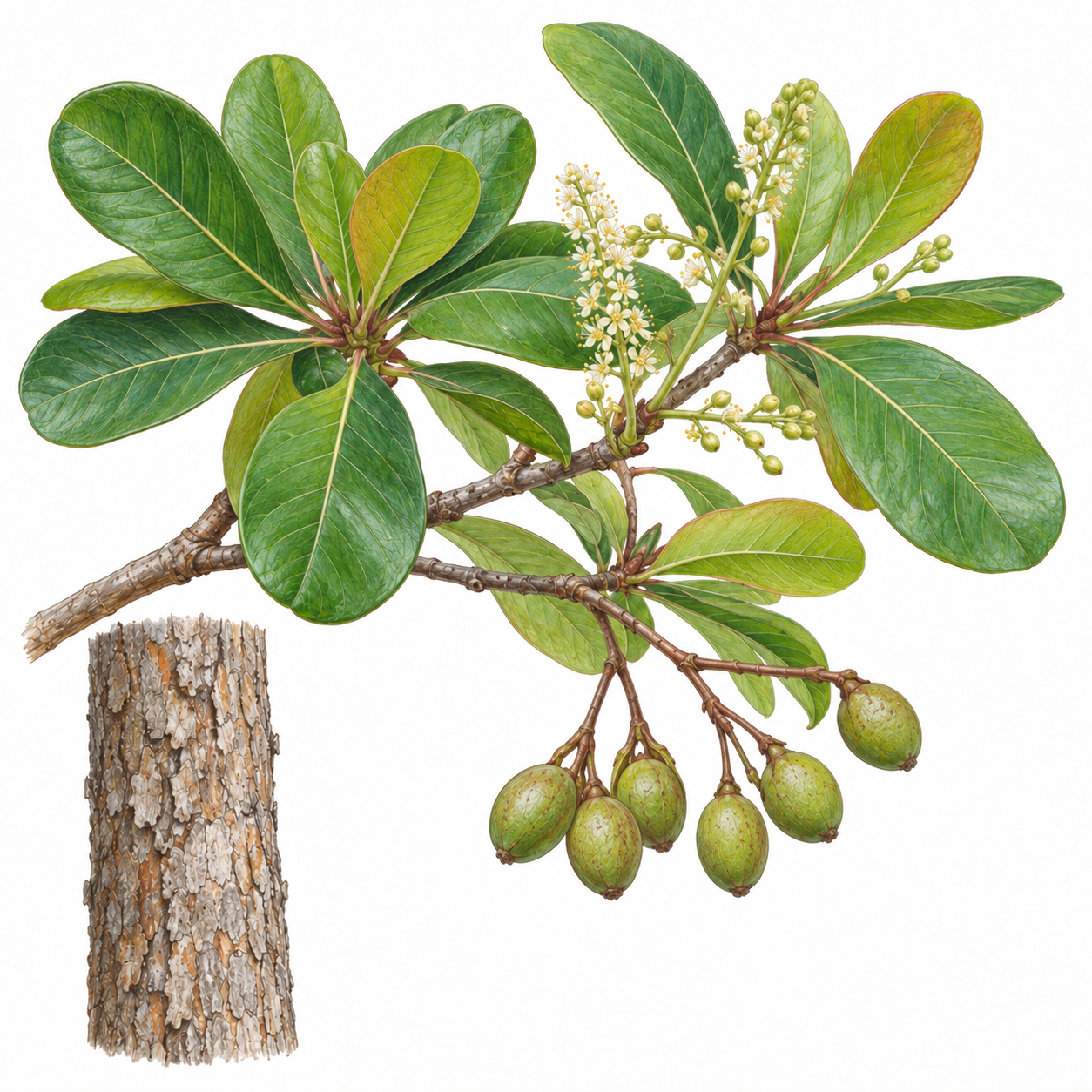
Evergreen foliage can provide continuity, screening and enclosure. Conifers are a distinct group: most are evergreen, but some shed their foliage. Confirm canopy density, mature size and local performance.
A narrow, upright crown can mark an entrance, frame a route or work where horizontal space is limited. Check the exact species or cultivar, eventual spread, clearance and root space.
Visible stems and branching can become a focal point and shape the experience at eye level. Confirm whether the form is natural or nursery-trained, and inspect the actual specimen for clearance and balance.
A broad crown can make outdoor areas more usable and define space beneath it. Test mature spread, shade density, seasonal change, clear trunk height and the available root zone.
These roles can overlap. They describe design intent, not a verified category for every tree in the finder or a recommendation for a particular site.
02 / Explore form
Use tree plan and elevation drawings to compare canopy shape and silhouette while developing a landscape planting palette. Browse every tree in the list, with Thai Botanic and Thailand Tree Farm catalogue matches shown first. The signs below each drawing show where to enquire about supply or planting; availability requires confirmation.
Regional focus
This finder is being developed for landscape projects in the Gulf and Asia-Pacific. It includes a broad landscape-use reference; how frequently each tree is used in these regions has not been verified. Other regions have not yet been researched for this list.
Browse the full tree list to explore canopy forms, or start with Thai Botanic and Thailand Tree Farm catalogue matches for a first palette. Current availability and suitability need a project check.
A tree may appear in both catalogue routes. These signs invite an enquiry; current availability, grade, quantity and timing require confirmation.
03 / Specify
Develop a tree planting palette for the project: shortlist candidates, then record target grades and quantities. Values you enter are requests for review, not a quotation or reservation.
Your working shortlist is saved on this browser. Download a backup in My shortlist to keep a copy or move it to another device. Saving a draft does not request a quote or confirm supply.
 Availability supply via catalogue
 Grower supply via catalogue
 Sourcing / planting enquiry no catalogue match